Latest Bridal Mehandi Designs for 2026–27: Personalised Motifs, Minimal Patterns and Indo-Arabic Styles
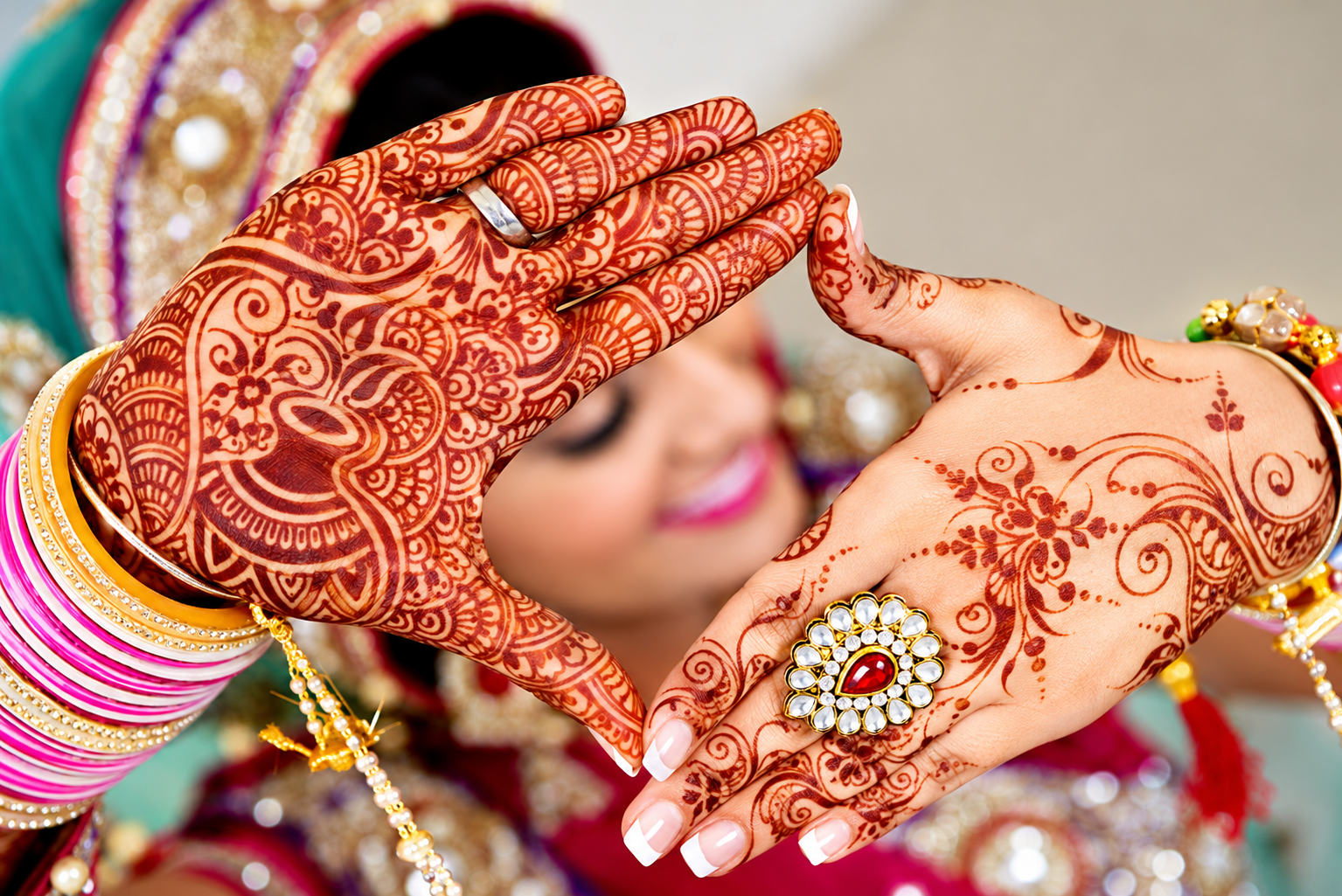
Mehandi is an important part of many Indian wedding celebrations. From intricate full-hand patterns to simple floral trails, bridal designs can reflect tradition, personal taste and the style of the wedding itself. For the 2026–27 wedding season, brides can explore personalised motifs, balanced patterns, Indo-Arabic detailing and contemporary designs that photograph beautifully.
Choosing a design is only one part of the process. The artist must also consider the bride's preferences, application time, placement, paste quality and safe aftercare. A thoughtful design should complement the occasion without making the application unnecessarily uncomfortable or complicated.
For aspiring artists, bridal mehandi offers an opportunity to develop drawing control, pattern consistency, design planning and client communication.
What Is Shaping Bridal Mehandi Design in 2026–27?
Recent wedding coverage highlights personalised storytelling, region-inspired patterns and creative use of negative space. See Manyavar's guide to 2026 bridal mehandi trends for examples of these directions.
Rather than assuming that every bride wants dense, full-hand coverage, artists can offer several design approaches:
- Traditional, detailed bridal patterns.
- Arabic and Indo-Arabic compositions.
- Personalised motifs inspired by the couple's story.
- Minimal designs with carefully placed details.
- Symmetrical patterns for a coordinated appearance.
- Contemporary designs that combine traditional motifs with modern layouts.
These are useful design directions, not fixed rules. Bridal preferences vary across families, regions and individual celebrations.
Personalised Bridal Mehandi
Personalised mehandi incorporates details that have meaning for the bride. Instead of relying only on standard motifs, the artist can discuss whether the design should include a wedding date, initials, a meaningful symbol or a reference to a shared interest.
How to plan a personalised design
Start with a consultation. Ask the bride which details matter to her and how prominently she wants them displayed.
Next, sketch a few layout options. Small details can be incorporated into a larger composition, such as a mandala, a floral arrangement or a decorative band.
Keep the overall design readable. Adding too many personal elements may make the pattern appear crowded or increase the application time.
Practical tip: Confirm all names, initials and dates before beginning the application. A reference sketch can help the artist and client agree on the design.
Indo-Arabic Mehandi Patterns
Indo-Arabic mehandi combines flowing Arabic-style trails with elements commonly found in Indian patterns, including paisleys, flowers, fine lines and decorative filling.
This approach can provide visual contrast between detailed motifs and open areas of skin.
Creating a balanced Indo-Arabic design
- Choose a focal point, such as a large flower or paisley.
- Plan the direction of the trail across the hand.
- Connect the main motif with leaves, curls and smaller flowers.
- Add finger details that complement the palm design.
- Use open space to prevent the composition from becoming crowded.
- Review the pattern from different angles before completing the final details.
The objective is to create movement without making the design look disconnected.
Indo-Arabic patterns can be adapted for the back of the hand, forearms and feet. The amount of detail should reflect the bride's preference and the available application time.
Minimal Bridal Mehandi
Minimal mehandi uses selected motifs rather than covering every part of the hand. It may include a central flower, a small mandala, fine finger detailing or a bracelet-inspired arrangement.
This style can suit brides who prefer lighter designs or want a distinct look for an engagement, pre-wedding event or smaller celebration.
Design ideas for a minimal look
- A central mandala with open space around it.
- A floral trail extending diagonally across the hand.
- Fine lines connecting a wrist motif to the fingers.
- A single statement flower with delicate leaves.
- Matching but not identical designs across both hands.
Minimal designs still require precision. With fewer elements, uneven spacing and inconsistent line thickness can become more noticeable.
For beginners, practising small motifs repeatedly can improve control before attempting a complete bridal composition.
Mandala and Geometric Designs
Mandalas create a focal point through repeated shapes arranged around a centre. Geometric elements such as grids, diamonds and symmetrical lines can add structure to traditional floral patterns.
How to improve symmetry
Draw a light reference plan before applying the paste. Divide the motif into sections and repeat similar shapes around the centre.
Use consistent spacing and line thickness. If the design includes several rings of detail, complete each ring carefully before moving outward.
Artists should practise on paper or suitable practice surfaces before applying complex patterns to a client. Repetition helps develop more controlled strokes and a better understanding of proportion.
Traditional Paisley and Floral Designs
Paisleys, leaves, flowers and fine decorative lines remain versatile elements in Indian mehandi.
A paisley can form the main feature of the palm, while smaller flowers and leaves create continuity across the hand. Traditional patterns can also be adapted with open space or modern placement.
When planning a bridal design, consider the outfit and the overall celebration. A richly decorated outfit may suit an intricate design, while a simpler outfit may work well with a more open composition.
There is no need to match every outfit detail exactly. The goal is visual harmony rather than literal duplication.
Finger-Focused and Jewellery-Inspired Mehandi
Finger-focused patterns use fine lines, dots, miniature flowers and decorative bands to create detail around the fingers.
Jewellery-inspired layouts can resemble rings, bracelets or delicate chains through repeated motifs and connecting lines. These designs may work as standalone patterns or as extensions of a larger palm composition.
Design considerations
Finger designs need careful spacing because the available area is limited. Avoid crowding the joints or allowing separate motifs to merge unintentionally.
For wrist patterns, maintain a consistent visual rhythm. Alternating small and large elements can create interest without excessive complexity.
The artist should also consider how the design will look when the hand is relaxed, open and photographed.
Matching Mehandi to the Wedding Function
A bride may choose different designs for different events.
- Engagement: Smaller floral arrangements or minimal patterns.
- Mehandi ceremony: Playful, personalised designs that complement the event's relaxed atmosphere.
- Wedding day: More elaborate patterns with traditional motifs.
- Reception: A lighter or more selective design if the bride prefers a simpler appearance.
These are suggestions rather than strict conventions. The bride's preferences, family traditions and time available should guide the decision.
How to Choose the Right Mehandi Artist
Before booking an artist, review photographs of their actual work. Look for consistent line quality, balanced composition and clear images showing the complete design.
Ask about:
- Design options and customisation.
- Expected application time.
- Paste ingredients and product sourcing.
- Hygiene practices.
- Whether the artist can accommodate the event schedule.
- Aftercare instructions and realistic expectations about staining.
Avoid relying solely on heavily edited photographs. Clear images in natural light provide a better understanding of the artist's technique.
Mehandi Application Safety and Aftercare
Product safety matters as much as the finished pattern.
The US Food and Drug Administration explains that products marketed as “black henna” may contain para-phenylenediamine (PPD), a hair-dye ingredient associated with potentially serious skin reactions. Read the FDA's henna and black henna safety guidance before preparing educational material on this subject.
Use reputable products with transparent ingredient information. Do not assume that a product is safe simply because it is described as natural or herbal. Avoid black henna and products containing unsuitable dyes for skin application.
Artists should explain the ingredients they use and ask clients about known sensitivities. A small test does not guarantee that an allergic reaction will not occur.
If a client experiences significant burning, swelling, blistering or other concerning symptoms, they should seek appropriate medical advice.
Helping the stain develop
The final stain depends on factors such as the product, skin, application and aftercare. Artists should provide the product manufacturer's appropriate instructions and avoid guaranteeing a particular colour or duration.
Do not recommend irritating substances or harsh methods to force a darker stain. Safe, realistic advice is preferable to unsupported home remedies.
How Beginners Can Practise Bridal Mehandi
A beginner can build skill progressively:
- Practise straight lines, dots, curves and controlled strokes.
- Repeat flowers, leaves, paisleys and simple geometric motifs.
- Create small compositions on paper before practising complete layouts.
- Study spacing, balance and symmetry.
- Plan designs using a reference sketch.
- Practise timing without sacrificing neatness.
- Photograph finished practice work accurately and consistently.
A portfolio should demonstrate different styles rather than repeatedly showing the same pattern. With permission, artists can also photograph completed client work while respecting privacy.
People interested in learning creative skills can explore the Her Shine School website and enquire about relevant learning options through the contact page.
Frequently Asked Questions
Which bridal mehandi designs are popular for 2026–27?
Personalised motifs, Indo-Arabic patterns, mandalas, floral designs and carefully arranged negative space are useful styles to explore.
How long does bridal mehandi take?
The time varies with the complexity, coverage, number of designs and artist's technique. Confirm the expected duration before booking.
Does more detailed mehandi always produce a better result?
No. Design quality depends on composition, consistency, line control and suitability for the bride. A well-balanced simple design can look just as intentional as a highly detailed one.
Is black henna safe for bridal mehandi?
Black henna may contain PPD or other unsuitable additives that can cause serious reactions. Use appropriate products and avoid black henna for skin decoration.
Can beginners learn bridal mehandi?
Yes. Beginners should build line control and motif skills first, then progress to larger compositions through regular practice and suitable instruction.
Conclusion
Bridal mehandi for 2026–27 offers many creative possibilities, from personalised storytelling and Indo-Arabic trails to mandalas and minimal designs. The best choice is the one that suits the bride's preferences, ceremony and available application time.
For aspiring artists, consistent practice, design planning, safe product selection and client communication are essential. Understanding these fundamentals helps turn inspiration into professional-quality work.
Want to develop your creative skills? Visit Her Shine School or contact the school to enquire about relevant courses.
External references: Manyavar — Latest Mehendi Designs for 2026 Weddings · FDA — Henna, Mehndi and Black Henna Safety